
 |
|
 |
 |
 |
 |

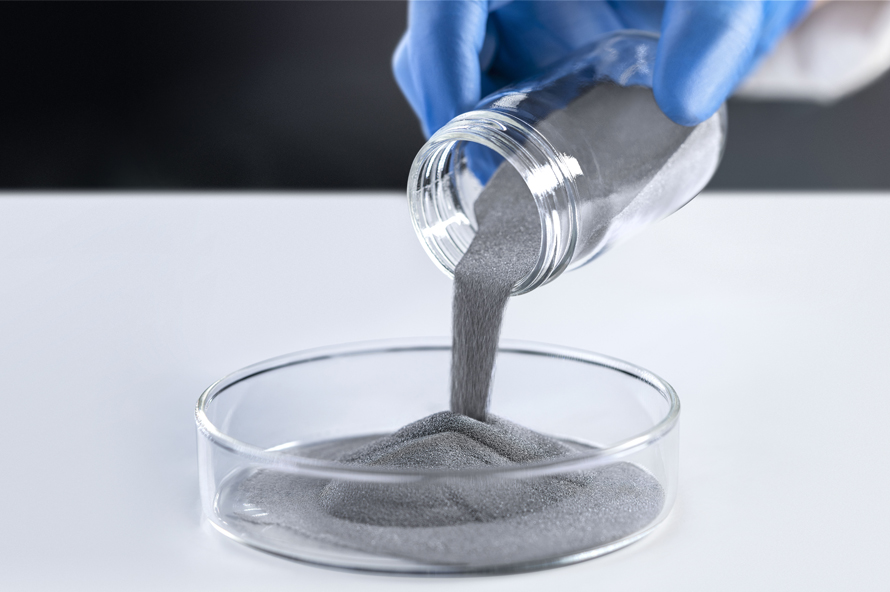
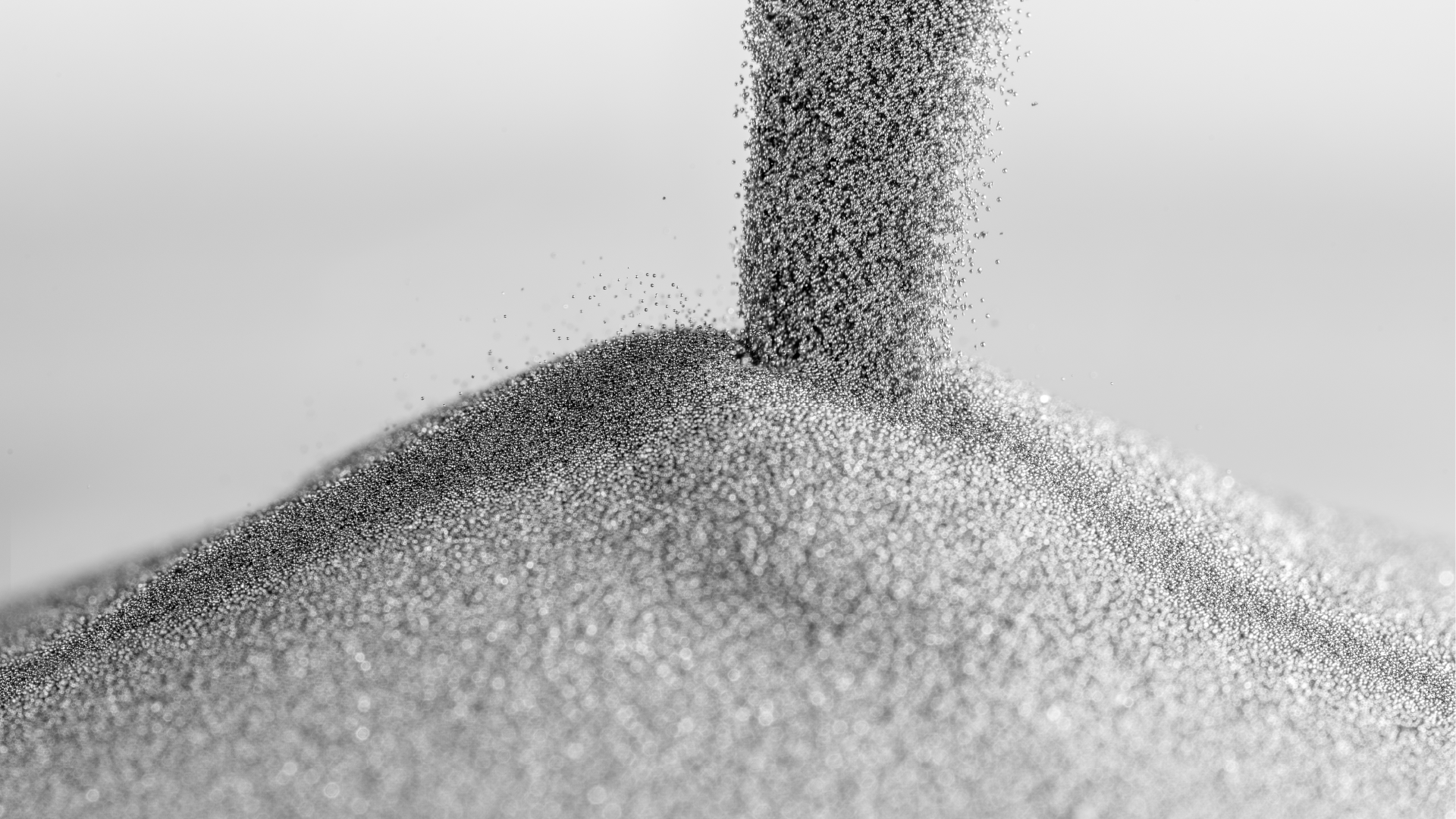
Reading Alloys is a global supplier of high-purity specialty powders to the orthopedic, sputtering target, powder metallurgy, powder injection molding and electronic markets. Our core competencies and success in developing and producing metal and metal alloy fine powders is based upon applying the same quality criteria that has been the cornerstone of Reading Alloys overall success in the aerospace products industry.
Reading Alloys offers a versatile range of fine specialty metal alloy powders. The primary focus has been on producing powders using a combination of processing methods that use powder hydride technology. As a custom manufacturer, we have the ability to meet customer specific requirements in a wide range of micron sizes, including nontraditional or R&D powder product specifications. Our powders are recognized for their exceptionally high level of quality and consistency. Please contact us to review your specific application requirements rai.technicalpowders@ametek.com. Lot sizes range from 10 lbs to 3,000 lbs.
Literature
Specifications
Powder metals are finding increased application within a variety of industries. The requirements for metal powders are stringent and include close control of chemistry, particle size and distribution, and morphology.
Reading Alloys provides the following powders:
- Thermal spray/medical powders – Ti Sponge, CP Ti, Ti-6Al-4V
- Powder Injection Molding (PIM) powders – CP Ti
- Sputtering target powders – CP Ti
- Advanced coating powders /colored oxides –TiO/Ti2O3
Titanium powders in particular are lightweight, strong and corrosion resistant and used in a wide range of today’s most demanding markets. Continuous development of titanium and other alloy powders has enabled Reading Alloys to expand into demanding markets such as coating powders for orthopedic medical devices, powder metallurgy and injection molding applications. These powders are supplied to meet medical ASTM F1580 chemistry requirements and are also suitable for use in traditional powder metallurgy. We also produce other powders such as vanadium, silicon-titanium, aluminum-vanadium, molybdenum- titanium and nickel powders through the hydride-dehydride (HDH) process.
Using several production technologies, Reading Alloys can manufacture a wide range of metal powders and a range of colored conductive oxides for other coating applications. Medical grade powders are certified to ASTM F15180-01 chemistry limits.
- Induction melting and vacuum sintering
- Aluminothermic reduction process
- Cold Isostatic Pressing (CIP)
- Hydride-Dehydride (HDH) process
- A wide range of crushing, milling and screening processes
- Solid state diffusion reactions
Hydride-Dehydride Process
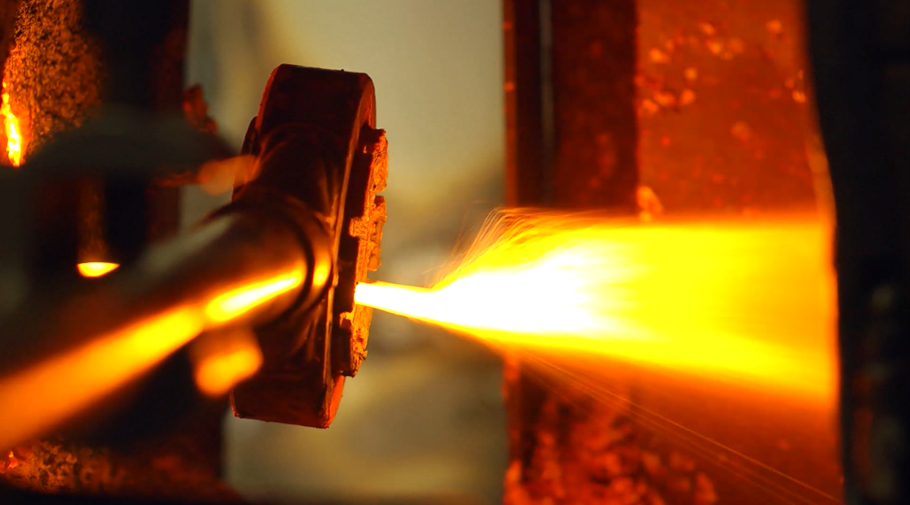
The Hydride-Dehydride (HDH) process is used primarily for Ti and Ti-6Al-4V powder production. It relies upon the brittle nature of corresponding metal hydrides. These metal hydrides are milled and screened to produce fine powders. After the powder is sized, interstitial hydrogen is subsequently removed using vacuum and heat to produce finished metallic powders. These powders are irregular and angular in morphology and can also be magnetically screened and acid washed to remove any ferro-magnetic contamination.
The brittle hydrides are then crushed and classified to the desired particle size range. The crushing process produces a range of particle size distributions (PSD). Particle size distribution can be controlled via classification methods to meet upper and/or lower limits. Reading Alloys currently offers powders down to 325 mesh (45 microns) distribution. For metal oxide powders, the PSD range can be as low as a few microns using wet milling techniques.
Continuous development of titanium and other alloy powders has enabled expansion into markets such as:
- Thermal spray/medical powders
- Powder Metallurgy (P/M) and Near Shape (NS)
- Powder Injection Molding (PIM)
- Sputtering targets
- Electronic powders
- Advanced coating powders
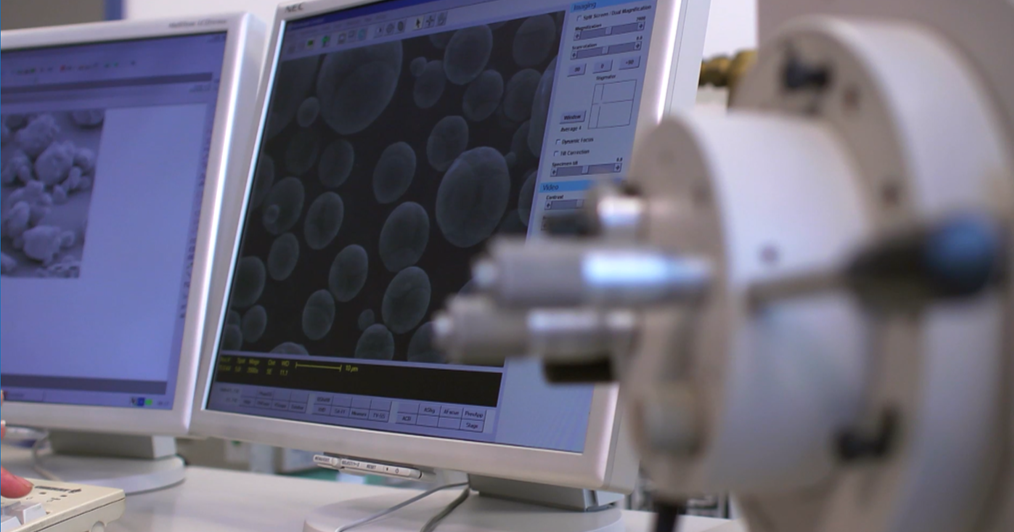
Particle Size Distribution (PSD) is an important parameter for these types of powder applications. Powders suitable for Powder Metallurgy (P/M) applications generally lie in the range of –100 mesh (–150 microns) and can be characterized using standard sieve sizes. For injection molding applications, a finer PSD is required in the range of –325 mesh (–45 microns). For the measurement of finer PSD’s, laser diffraction techniques are preferred and Reading Alloys offers both Microtrac and Malvern laser diffraction measurement techniques. It is also possible to physically manipulate the PSD by screening and blending to modify the PSD to meet the specific customer’s requirements.
Additionally, Reading Alloys’ low oxygen titanium alloy powders have drawn interest from orthopedic device manufacturers that are looking for cost-effective ways to fabricate near shape (NS), powder metallurgy (P/M), titanium based components. Other industries interested in P/M processing include Hot Isostatic Pressing (HIP) for aerospace and automotive applications. P/M customers depend on Reading Alloys exceptional quality, high purity titanium and other alloy powders to meet specific requirements for powder metallurgical (P/M) applications.
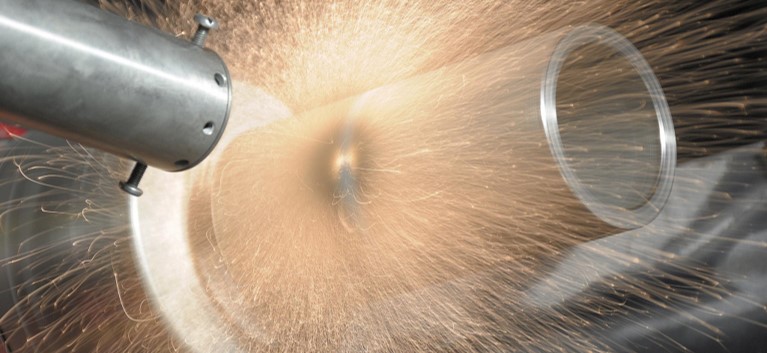
Titanium powder can be used as a thermal spray coating material. Titanium hydride is an excellent raw material for the sintering of parts used in medical devices, aerospace, automotive and sporting goods. Reading Alloys’ titanium powders are currently used to provide a roughened, porous coating or layer on cementless medical implant devices.
|
|
 |
 |
|
 |